
 Dr. Akbulut is an Associate Professor at Sabancı University, Istanbul. She received her B.S. in Materials Science and Engineering at Sabancı University in 2004. Her PhD from Massachusetts Institute of Technology (MIT, 2009) focused on cost-effective fabrication of biomolecular devices and surface science. She continued her studies as a post-doctoral fellow in Whitesides Group at Harvard University (2009–2011) on developing tools/techniques for resource-limited settings. Dr. Akbulut’s current research interests are colloidal science, additive manufacturing, and silicone-based composites. She also founded a company, Surgitate, on tactile surgical training platforms, in 2014.
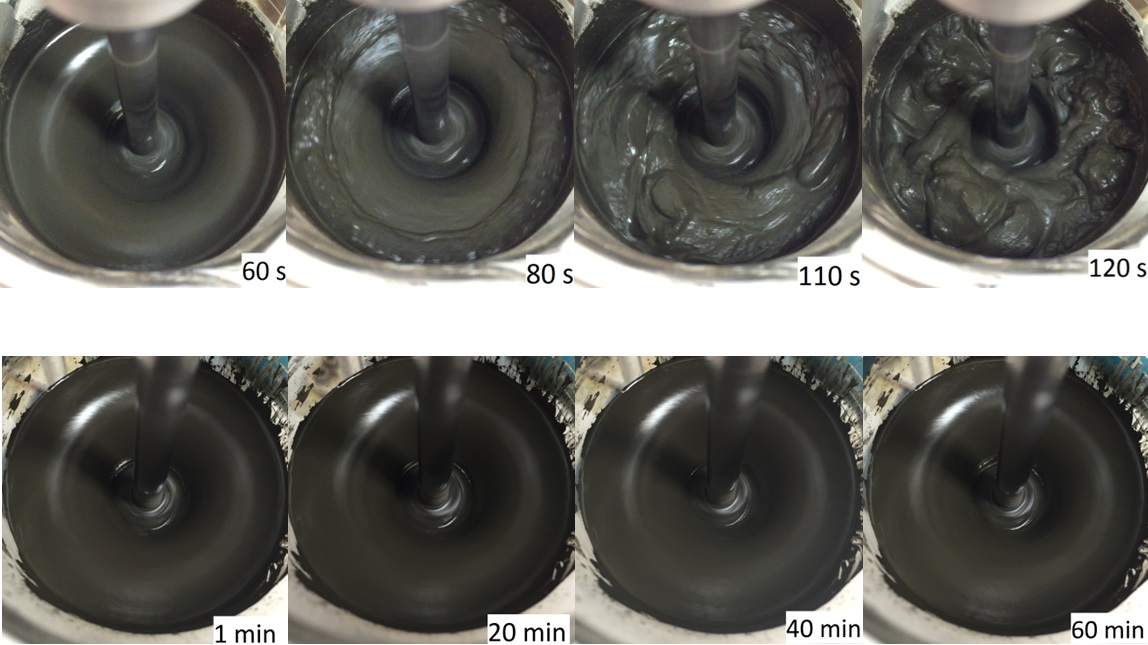 We develop superplasticizers for ordinary Portland cement (OPC) and calcium aluminate cement (CAC). Poly(carboxylate ether)-based superplasticizers (PCEs) are used to modify the viscosity, slump flow, and slump retention of cement mixtures. From the first touch of water, CAC loses its flowability in less than 1 hour and commercially available superplasticizers are developed to cater the needs of OPC-based systems. The superplasticizer that we have developed for CAC is the first of its kind to address higher charge, surface development, and fast kinetics of this specialty cement (EP 3056476 A1, https://www.google.com/patents/EP3056476A1?cl=en).
Team- Burcin Ustbas, Post doctoral fellow- Ayse Ay, PhD candidate - Gizem Demir, PhD candidate - Isik Arel, PhD candidate - Elif Ferligul, MSc candidate PartnersFarplas, ARYA, Inovent, SUCool |
Alumni- Buse Tatli, UG research assistant, now PhD candidate at EPFL- Tunahan Aytas, UG research assistant, PhD from MIT; now at McKinsey - Omid Akhlaghi, PhD, now senior scientist at Ceres, UK - Amin Hodaei, MSc, now PhD candidate at EPFL - Gokay Avci, MSc, PhD Koc University, now post doctoral fellow at Imperial College London - Pelin Guven, MSc, PhD from EPFL, now at Vironova, Sweden - Aleyna Beste Ozhan, UG research assistant, now PhD candidate at MIT - Lyn Zemberekci, now PhD candidate at Cornell University |
 We designed a grafted copolymer that allows high loadings in alumina suspensions such that once solid cast and dried, green bodies can withstand forces of machining. We achieved a reduction of 77 % in the diameter that corresponds to a 59 % reduction in volume. Due to the low amount of the additive used, there is no need for a burn out step before sintering as well. To our knowledge, this work is the first one in literature that can fabricate ceramic objects with thin walls through machining from a totally aqueous, non-toxic system.
Publications
Gungel, H., Menceloglu, Y., Yildiz, B. and Akbulut, O. “Fourier transform infrared and 1h nuclear magnetic resonance spectroscopic findings of silicone oil removed from eyes and the relationship of emulsification with retinotomy and glaucoma”, Retina, 25, 332–338 (2005).
Akbulut, O., Taniguchi, I., Kumar, S., Shao-Horn, Y. and Mayes, A.M. “Conductivity hysteresis in polymer electrolytes incorporating poly(tetrahydrofuran)”, Electrochimica Acta, 52, 1983–1989 (2007).
Akbulut, O., Jung, J.-M., Bennett, R.D., Hu, Y., Jung, H.-T. Cohen, R.E., Mayes, A.M. and Stellacci, F. “Application of supramolecular nanostamping to the replication of DNA nanoarrays”, Nano Letters, 7, 3493–3498 (2007).
Liu, X., Yuan, J., Akbulut, O., Hu, J., Suib, S.L., Kong, J. and Stellacci, F. “Superwetting nanowire membranes or selective absorption”, Nature Nanotechnology, 3, 332–336 (2008).
Laromaine, A.*, Akbulut, O.*, Stellacci, F. and Stevens, M. M. “Supramolecular replication of peptide and DNA patterned arrays”, Journal of Materials Chemistry, 20, 68–70 (2010).(*: equal contribution; cover article)
Akbulut, O., Yu, A. A. and Stellacci F. “Fabrication of biomolecular devices via contact-based methods”, Chemical Society Reviews, 39, 30–37(2010).
Nie, Z., Deiss, F., Liu, X., Akbulut, O. and Whitesides, G. M. “Integration of paper-based microfluidic device with commercial elecrochemical readers”, Lab on a Chip, 10, 3163–3169 (2010).
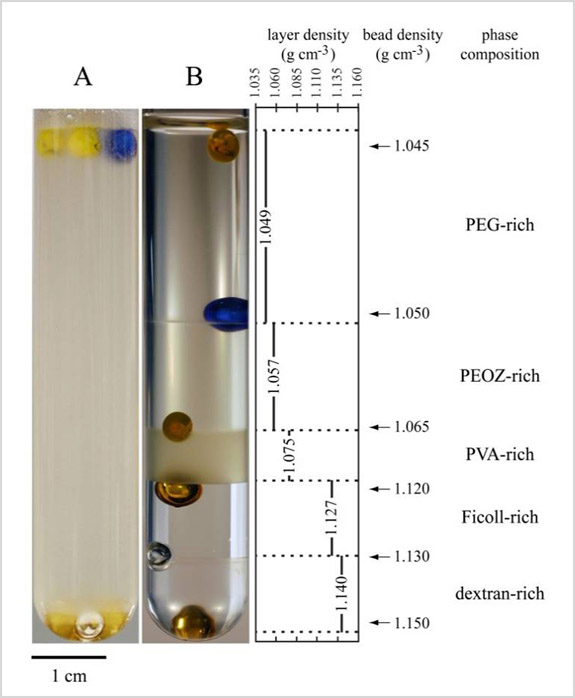
Mace, C. R., Akbulut, O., Kumar, A. A., Shapiro, N. D., Derda, R., Patton, M. R. and Whitesides, G. M. “Aqueous multiphase systems of polymers and surfactants provide self-assembling gradients in density”, Journal of American Chemical Society, 134, 9094–9097 (2012).
Akbulut, O., Mace, C. R., Martinez, R. V., Kumar, A. A., Nie, Z., Patton, M. R. and Whitesides, G. M. “Separation of nanoparticles in aqueous multiphase systems through centrifugation”, Nano Letters, 12, 4060–4064 (2012).
Akhlaghi, O., Akbulut, O., and Menceloglu, Y. Z. “Extensional rheology and stability behavior of alumina suspensions in the presence of AMPS-modified poly(carboxylate ether)-based copolymers”, Colloid and Polymer Science, 293, 2867–2876 (2015).
Akhlaghi, O., Akbulut, O., and Menceloglu, Y. Z. “Shear and extensional rheological characterization of poly(acrylonitrile)/halloysite nanocomposite solutions”, European Polymer Journal, 73, 17–25 (2015).
Budak, E. P., Zirhli, O., Stokes, A. A., and Akbulut, O. “The Breathing Wall (BRALL)—Triggering life in(animate) surfaces”, Leonardo Transactions, 49 (2016).
Avci, G., Akhlaghi, O., Ustbas, B., Ozbay, C., Menceloglu, Y. Z. and Akbulut,O. “A PCE-based rheology modifier allows machining of solid cast green bodies of alumina”, Ceramics International, 42, 3757–3761 (2016).
Akbulut, O. “We should do what we do best in our usual ways”, Journal of Medical and Surgical Research, 2, 184–185 (2016).
Guven, Z. P., Ustbas, B., Harkness, K. M., Coskun, H., Joshi, C. P., Besong, T. M. D, Stellacci, F., Bakr, O. M., and Akbulut, O. “Synthesis and characterization of mixed ligand chiral nanoclusters”, Dalton Transactions, 45, 12297–11300 (2016).
Akhlaghi, O., Menceloglu, Y. Z., and Akbulut, O. “Shear and extensional rheological study of poly(acrylonitrile)-Sb2O3 nanocomposite solutions”, Colloid and Polymer Science, 294,
1463–1473 (2016).
Kilic, D., Ustbas, B., Budak, E. P.,Eyisoylu, H., Yilmaz, C., Eldem, B., and Akbulut, O. “Silicone-based composites as surgical breast models for oncoplasty training”, Procedia Engineering, 159, 104–107 (2016).
Akhlaghi, O., Menceloglu, Y. Z., and Akbulut, O. “Poly(carboxylate ether)-based superplasticizer achieves workability retention in calcium aluminate cement”, Scientific Reports, 7 (2017).
Akhlaghi, O., Hodaei, A., Sezer, D., Aytas, T., Tatli, B., Rosine, F. A., Scrivener, K., Menceloglu, Y. Z., and Akbulut, O. “Modified poly(carboxylate ether)-based superplasticizer enhances flowability of calcined clay-limestone-gypsum blended cement”, Cement and Concrete Research, 101, 114–122 (2017).
Ustbas, B., Kilic, D., Bozkurt, A., Aribal, M. E., and Akbulut, O. “Silicone-based composite materials simulate breast tissue to be used as ultrasonography training phantoms”, Ultrasonics, 88, 9–15 (2018).
Hodaei, A., Akhlaghi, O., Khani, N., Aytas, T, Sezer, D., Tatli, B., Menceloglu, Y. Z., Koc, B., and Akbulut, O. “Single additive enables 3D printing of highly-loaded iron oxide suspensions”, ACS Applied Materials and Interfaces, 9873–9881 (2018).
Publications basliginin altina da su makaleleri ekleyelim lutfen:
Ustbas Gul, B., Kilic Yanilmaz, D., Arslan, D., Bayramicli, M., and Akbulut, O. “Silicone-based simulation models for peripheral nerve microsurgery”, Journal of Plastic, Reconstructive & Aesthetic Surgery 72, 477–483 (2019).
Goharibajestani, Z., Akhlaghi, O., Akaoglu, C., Afghah, F., Khani, N., Hodaei, A., Koc, B., and Akbulut, O. “Incorporating steric hindrance into the additive design enables a robust formulation of alumina ink for extrusion-based 3D printing”, ACS Applied Polymer Materials 1, 3279–3285 (2019).
Zemberekci, l., Demir, G., Akaoglu, C., Aldulaimi, W. A., Ozhan, A. B., Gulgun, M. A., Akhlaghi, O. and Akbulut, O.“Polymer bridging induced by a single additive imparts easy-to-implement green machinability to yttria-stabilized zirconia”, ACS Applied Polymer Materials 3, 5397–5404 (2021).
Kirtay, H., Akbulut, O., and Arsu, N. “Spontaneously designed, self-assembled and oriented ZnO nanorods byphotoinduced polymerization of epoxydiacrylate formulation in the presence of 2-mercapto-thioxanthone”, Progress in Organic Coatings 172, 107074 (2022)
Balcerowski, T., Ozbek, B., Akbulut, O.*, and Gümrah Dumanli, A*. “Hierarchical organization of structurallycolored cholesteric phases of cellulose via 3D printing”, Small 19, 2205506 (2023).
Patents
WO/2012/024688 (HU3865) - Multiphase systems and uses thereof - Inventors: Charles R. Mace, Ozge Akbulut Halatci, Ashok A. Kumar, Nathan D. Shapiro, and George M. Whitesides. (Publication date: February, 23, 2012
WO/2012/024690 (HU4262) - Multiphase systems having multiple phase properties - Inventors: Ozge Akbulut Halatci, Charles R. Mace, Ashok A. Kumar, Zhihong Nie, and George M. Whitesides. (Publication date: February, 23, 2012)
WO/2012/024691 (HU4263) - Multiphase systems for analysis of solid materials - Inventors: Charles R. Mace, Ozge Akbulut Halatci, Ashok A. Kumar, Nathan D. Shapiro, and George M. Whitesides. (Publication date: February, 23, 2012)
US20120302456 A1 (HU3985) - A vertical flow-through device for multiplexed ELISA driven by wicking-Inventors: Max Narovlyansky, Ozge Akbulut Halatci, Charles R. Mace, and George M. Whitesides. (Publication date: November, 11, 2012)
EP15155210.6 - An additive for suspensions- Inventors: Omid Akhlaghi, Ozge Akbulut, and Yusuf Z. Menceloglu. (Publication date: August, 18, 2016)
US10954377B2 An admixture and ink comprising such mixture- Inventors: Omid Akhlaghi, Amin Hodaei, Dilek Sezer, and Ozge Akbulut (Publication date: March, 23, 2021)
TR2021/010024 Koagülasyon Yoluyla Ham İşleme İçin Seramik Hamuru Hazırlanması- Inventors: Omid Akhlaghi, Lyn Zemberekçi, Gizem Demir, and Ozge Akbulut (Application date: June, 18, 2021)
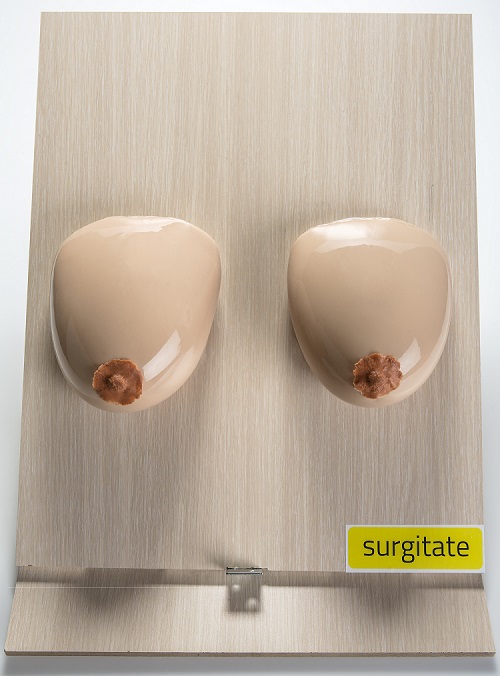 Lack of cadavers and fresh tissue/organ models hinders the quality of medical education; therefore, there is a need for a reliable and sustainable training medium for evergrowing number of medical students and personnel. We design and fabricate silicone-based surgical models that are engineered to simulate mechanical responses of real organs to incision, dissection, and suturing. Different suturing techniques, benign mass removal, and complicated oncoplastic surgery can be practiced on our skin, breast, and vascular models. We aim to improve the quality of surgical trainings via this practical, affordable, and tactile simulation platform.
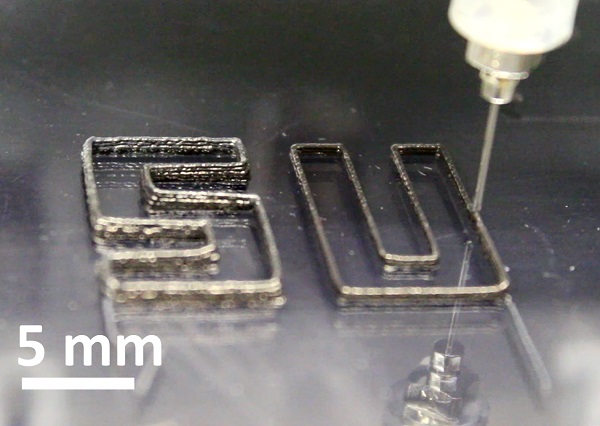 There is a consensus, both from commercial suppliers and academia, on the need for precise calibration of interparticle forces to design ceramic inks for additive manufacturing. These forces determine the “printability” of the suspensions by exhibiting a direct effect on the rheological response of the system (e.g, shear thinning, fluid-to-gel transition). The current calibration of these forces relies heavily on electrostatic repulsion and achieves the desired levels by changing the pH of the medium, adding salt, and utilizing polyelectrolyte species as dispersants. Other coagulants, binders, defoamers, and organic solvents might also be present in the formulations, most of the time, in considerable amounts. However, i) organic solvents and other chemicals prevent the use of these inks in public space, ii) these solvents cannot provide the scalability and cost-effectiveness of water, iii) concurrent optimization of minimum 2 additives complicates the formulation of the ink, iv) having a high volume of additives raises questions on the precise dimensional control of the final object/feature and usually requires binder removal steps after printing, and v) current lack of systematic study for the formulation of the inks limits the type and nature of the nanoparticles that are to be used in these inks.
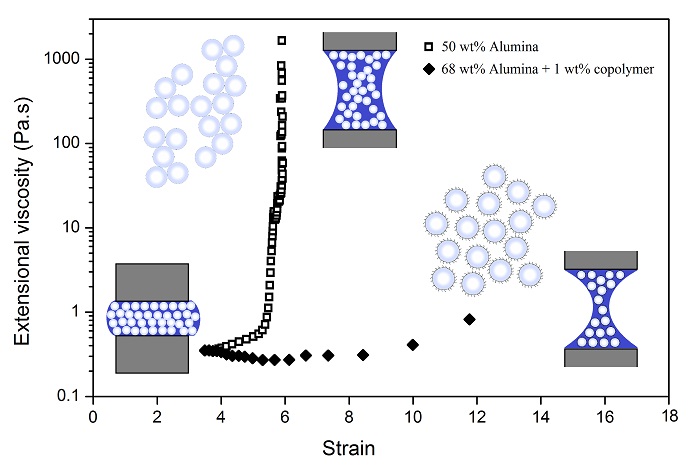 We focused on capillary breakup extensional rheometer (CaBER) response of alumina suspensions since elongational flow of ceramic suspensions is present in many industrial processing methods. The introduction of an optimized PCE at 1 wt% into 68 wt% alumina suspension reduces the extensional viscosity and eliminates strain hardening behavior. Electrokinetic studies showed that using this PCE leads to all-negative zeta potentials for the entire pH range (2–12) even at 0.5 wt% addition.
 We studied the shear and extensional flow properties of polyacrylonitrile (PAN)/dimethylacetamide solutions in the presence of antimony trioxide nanoparticles (Sb2O3) at industrially relevant polymer and filler concentrations for this system. We tracked thinning dynamics of these solutions by capillary breakup extensional rheometery (CaBER) since manufacturing of polymer- Sb2O3 nanocomposites through spinning necessitates visco-elasto-capillary understanding. This article is the first of its kind to understand PAN/Sb2O3 nanocomposites with low particle loadings since rheological behavior of polymeric solutions is closely related to physical properties of polymeric systems and has direct effect on polymer processing and technology. We found that the introduction of Sb2O3 nanoparticles to PAN solution enhances the life-time of the filament, physical structures, and elasticity of polymer chains which are the results of entrapment of polymer chains and break of solvent bridges by filler nanoparticles.
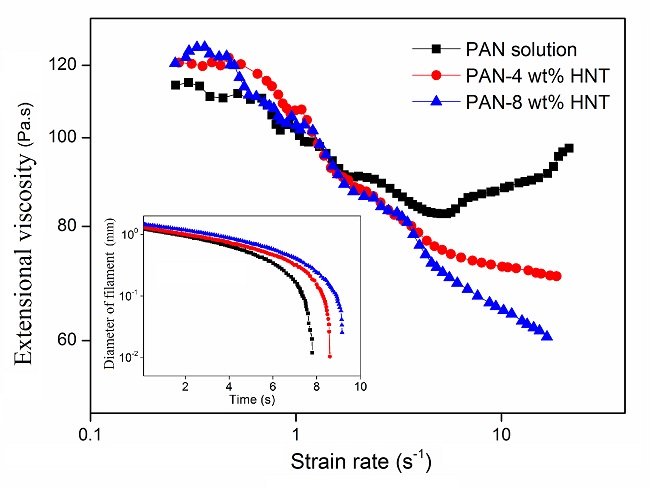 We characterized the shear and extensional flow properties of polyacrylonitrile (PAN)/dimethylacetamide solutions in the presence of halloysite nanotubes (HNTs) at industrially relevant polymer and filler concentrations for this system. We monitored thinning dynamics of these solutions by capillary breakup extensional rheometery (CaBER). We found that the introduction of HNTs to PAN solution improves the life-time of the filament. Additionally, the filled solutions exhibited enhanced physical structures and elasticity. The shear and extensional behavior of PAN solution with ≤ 8 wt% HNTs showed that these solutions could be still processed under similar conditions as neat PAN solution.
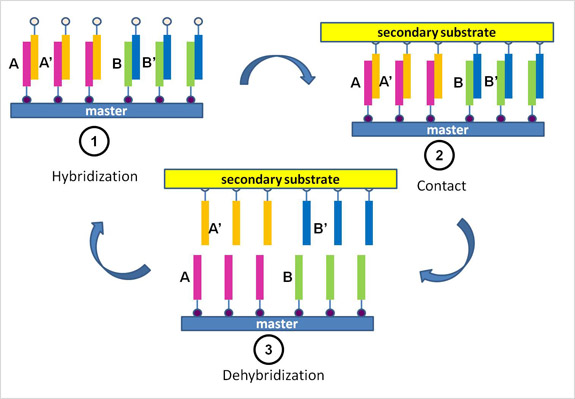 DNA arrays have revolutionized the field of biomedicine since they allow the analyses of several different DNA sequences in parallel. [1] Current methods to fabricate such arrays are serial in nature resulting in high prices that prevent the extensive utilization of those arrays. [1,2] Supramolecular Nanostamping is devised to solve this problem by harnessing the reversible bond formation between complementary DNA strands. This contact based technique replicates DNA arrays in a three steps: 1) Hybridization, 2) Contact and 3) Dehybridization. [3]
 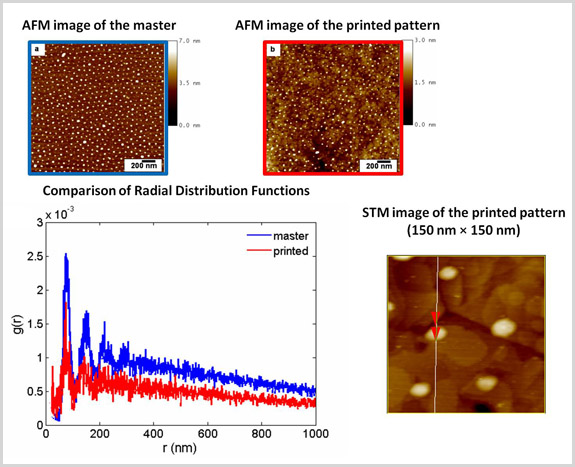 The amount of analyte needed in an array scales with the feature size and spacing—size of the total array. The features of a DNA microarray are usually tens of micrometers in size with a spacing on the order of hundred micrometers. Therefore, miniaturization of such arrays is necessary for applications when scarcity of analytes is an issue. DNA nanoarrays are promising lower analyte volumes due to their decreased feature size and spacing; namely high resolution.
 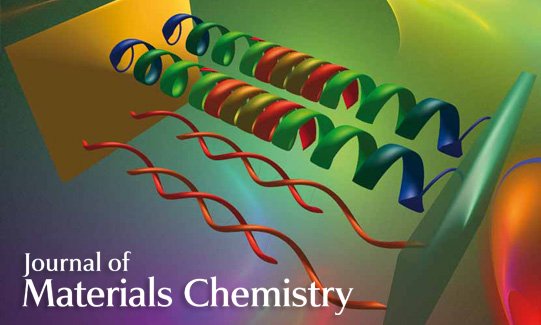 Apart from the capability to cope with features of various sizes, the strength of a printing method emerges from its ability to deal with different types of biomolecules. Coiled-coil peptides are treated analogously to complementary DNA strands due to the molecular recognition between two complementary peptide strands. We also demonstrated the replication of coiled-coil motif peptides through Liquid Supramolecular Nanostamping (LiSuNS). To prove the multiplexing capability of the process, a master made of peptide and DNA features was successfully stamped via LiSuNS as well. [1]
  Density-based Separations
  Dynamic Separations